Uganda’s energy and extractives sector poised for growth in 2026
Kampala, Uganda | As 2025 closed, Uganda’s energy and extractives sector reached a pivotal moment, driven by accelerated infrastructure delivery, regulatory reform, and a strategic push to convert natural resource potential into economic growth. The Ministry of Energy and Mineral Development framed the year not as a series of isolated projects, but as the convergence of power generation, mineral value addition, oil readiness, and institutional reform into a unified development agenda. The Independent’s Julius Businge reports.
Powering the economy
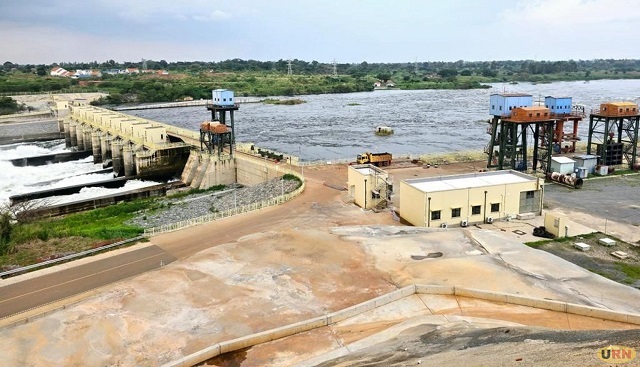
The 600MW Karuma Hydropower Project was the year’s flagship achievement, reinforcing Uganda’s role as a regional electricity exporter while reducing system costs and enhancing grid stability. The ministry described Karuma as a transformational end-to-end infrastructure delivery, highlighting its socio-economic benefits and contribution to long-term energy security.
Smaller-scale projects, including Nyagak III in Zombo District and the Orio Mini Hydropower Project in Mitooma District, complemented this growth, signaling a deliberate policy shift toward diversified energy generation and rural electrification. During the commissioning of the Mpungu Tea Factory electrification project in Kanungu District, Minister Ruth Nankabirwa Ssentamu emphasized electricity’s role in industrial competitiveness and rural income growth, linking energy access directly to agro-industrial transformation.
Mining reforms and value addition
The extractives sector pivoted from raw mineral exports toward structured markets and domestic beneficiation. Mineral market workshops, including one in Ntungamo District, aimed to formalize artisanal and small-scale mining while strengthening traceability and compliance.
More than 7,600 miners were registered under the Biometric Registration of Artisanal and Small-Scale Miners project by year-end. Senior Mines Inspector David Sebagala highlighted formalization as a path to transparency, fair pricing, and long-term sustainability. At the industrial level, the commissioning of gold refining facilities and new steel and iron processing plants signalled Uganda’s commitment to refining, smelting, and manufacturing domestically. The Wagagai gold project in Busia District, targeting 99.9% purity, is projected to generate over $100 million annually for two decades, establishing a long-term revenue and employment anchor.
Oil, gas, and First Oil readiness
Petroleum development progressed steadily, with a refinery agreement signed with Alpha MBM Investments LLC and continued work on the Tilenga, Kingfisher, and East African Crude Oil Pipeline projects. Parliamentary inspections in the Albertine Graben reinforced environmental and resettlement safeguards, reflecting heightened public scrutiny over land acquisition and compensation. These measures, alongside rulings by the Electricity Disputes Tribunal, underline the importance of regulatory compliance and property rights protection in energy infrastructure development.
Clean energy and nuclear ambitions
Uganda advanced its clean energy agenda through LPG distribution, biofuels blending, electric vehicle charging, and geothermal exploration. The nationwide LPG cooking kits program, expanded to Kisoro and Mbale districts, combined public health and environmental objectives.
Nuclear ambitions moved into preparation, with a due diligence mission to China focused on uranium resource management, waste disposal, and skills transfer. Strategic partnerships with Japan and Sweden aim to accelerate power stabilization, transmission, and clean energy financing, reinforcing Uganda’s renewable energy trajectory and readiness for First Oil.
Institutional capacity and outlook
Institutional strengthening underpinned these achievements, with digitized records, service delivery standards, and recognition of staff excellence signalling a shift toward results-driven public service. Permanent Secretary Eng. Irene Pauline Bateebe stressed the need for coordination in emerging areas such as geothermal regulation, highlighting that complex energy transitions require capable institutions.
Looking ahead to 2026, Uganda’s energy and extractives sector faces a new challenge: translating the momentum of 2025 into sustained growth, investor confidence, and inclusive development. With power plants operational, mineral markets formalizing, and oil infrastructure advancing, the sector stands as a clear reflection of Uganda’s broader economic wager: disciplined investment in infrastructure, regulation, and skills can convert natural endowment into enduring national wealth.
The post Uganda’s energy and extractives sector poised for growth in 2026 appeared first on The Independent Uganda:.