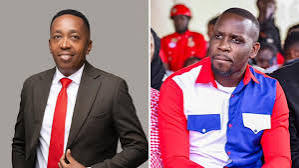
Joel Ssenyonyi Has Become So Proud That He Refused To Respond To My Greetings On A Plane, The things he is doing right now I did them 10 years ago and I’m also a big person in this country-Miles Rwamiti Fumes
Miles Rwamiti has sparked fresh debate after openly expressing his disappointment and anger over an encounter he claims to have had with Joel Ssenyonyi on a plane. According to Rwamiti, what should have been a simple moment of courtesy turned into a painful reminder of how pride and status can change people. His words have since drawn public attention and mixed reactions across the country.
Rwamiti says that he met Joel Ssenyonyi while they were both traveling on the same flight. As a gesture of respect and familiarity, he decided to greet him. In many African cultures, greeting someone is not just politeness, but a sign of humility and shared humanity, regardless of social or political position.
However, Rwamiti claims that Ssenyonyi refused to respond to his greeting. This silence, according to him, was not accidental. He interpreted it as deliberate and disrespectful, something that deeply offended him. To Rwamiti, the act showed arrogance rather than simple oversight.
Visibly upset, Rwamiti questioned when Joel Ssenyonyi had become so proud. He suggested that Ssenyonyi’s current political visibility may have contributed to what he sees as a growing sense of superiority. In his view, leadership should come with humility, not distance from others.
Rwamiti went further to compare their journeys. He stated that many of the things Ssenyonyi is doing today are things he himself did more than ten years ago. This comparison was meant to show that political relevance and influence are not new experiences to him.
He emphasized that he is not a small person in the country, as some might assume. According to Rwamiti, he has long been involved in important national and international engagements. He believes this history alone should earn him basic respect from fellow public figures.
To underline his point, Rwamiti mentioned that he can go to Parliament escorted by more than three cars. This statement was meant to show his level of recognition and standing within political and social circles. To him, respect should not depend on current popularity alone.
He also spoke about his international exposure, saying he holds visas to more than 67 countries, including the United States of America. By saying this, Rwamiti appeared to be responding to what he sees as unnecessary pride based on limited achievements.

Rwamiti’s frustration reflects a broader issue in public life, where power and recognition can sometimes change how leaders treat others. Many people believe that as individuals rise in politics or fame, they may forget the values that helped them rise in the first place.
In Uganda, leaders are often expected to remain approachable and respectful. The public closely watches how politicians behave, not just in official settings but also in small, personal moments like greetings. Such moments often reveal true character.
This incident, though small in action, has grown big in meaning. A simple “hello” that went unanswered has now turned into a national discussion about humility, respect, and ego among leaders.
Some observers believe that Ssenyonyi may not have intentionally ignored Rwamiti. They argue that travel can be stressful, and people may sometimes be distracted or lost in thought. However, Rwamiti seems convinced that the silence was intentional.
Others side with Rwamiti, saying that no matter how busy or important someone is, acknowledging a greeting costs nothing. They argue that leaders should set examples through simple acts of kindness and respect.

The story also highlights the tension that sometimes exists among politicians and public figures. Competition, history, and personal pride can easily create misunderstandings and silent conflicts.
Rwamiti’s strong words show that he felt personally disrespected, not just as an individual but as someone who has contributed to public life. To him, the issue was not fame, but recognition of shared humanity.
As the story continues to circulate, many Ugandans are reflecting on their own experiences with leaders. Some recall moments of warmth and humility, while others remember encounters filled with distance and pride.
This incident serves as a reminder that leadership is not only about speeches, positions, or motorcades. It is also about how one treats people in ordinary moments, away from cameras and crowds.
For younger leaders like Ssenyonyi, critics believe there is a lesson to be learned. Success should not erase respect for those who walked similar paths before or alongside them.
For experienced figures like Rwamiti, the situation shows the pain that comes when one feels forgotten or dismissed. Recognition and respect remain important, regardless of time passed.
In the end, this plane encounter has gone far beyond the skies. It has landed in the hearts and minds of the public, raising important questions about pride, humility, and what truly defines a great leader.